
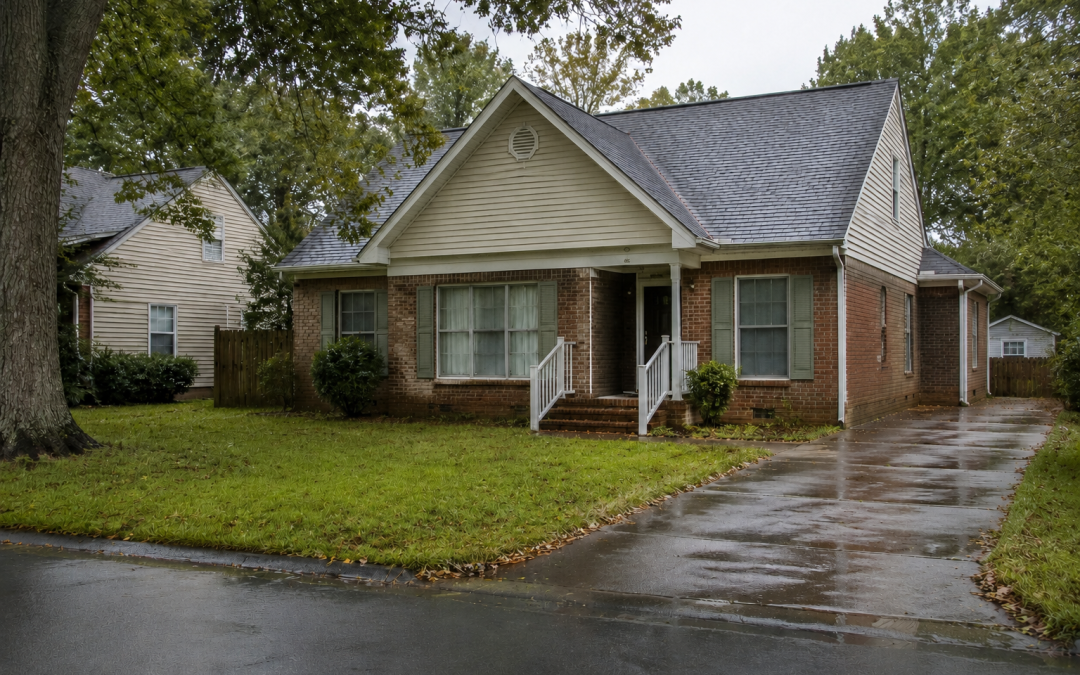
Losing someone you love brings emotional and practical decisions that few families feel fully prepared to make. If your loved one owned a home, deciding what to do with the property may be one of the largest and most complicated items on that list.
You do not need to make every decision immediately. Families often need time to grieve, locate important documents, work through estate matters, sort personal belongings, and talk about whether the home should be kept or sold. However, even when the long-term decision can wait, the house itself still needs attention.
A vacant home can develop expensive problems surprisingly quickly. In Hampton Roads, humidity, severe weather, flooding, maintenance demands, and ongoing expenses can make leaving a property unattended especially risky. Understanding those risks can help your family protect the home while deciding what should happen next.
Why a Loved One’s Home May Remain Vacant
There are many understandable reasons a home might sit empty after its owner passes away.
Family members may live outside Hampton Roads and be unable to visit regularly. The estate may still be going through probate, or relatives may be trying to determine who has the authority to make decisions about the property. The house may also contain years—or even decades—of belongings that cannot be sorted in a weekend.
In other cases, family members simply need time. A house can hold meaningful memories, and deciding whether to keep, rent, or sell it may feel overwhelming soon after a loss.
When a home passes to family members, probate, ownership questions, liens, taxes, and the involvement of multiple heirs can all affect the process of selling an inherited house in Virginia.
Before selling the home, signing contracts, authorizing major repairs, or disposing of valuable belongings, confirm who has the legal authority to act on behalf of the estate. Depending on the circumstances, that may be an executor, administrator, personal representative, surviving co-owner, or another authorized person. Because every estate is different, families with questions about ownership or decision-making authority should speak with a Virginia estate attorney before making major commitments involving the property.
Even if the home’s future remains uncertain, establishing a short-term plan can prevent additional stress and expense.
Insurance Coverage May Change When a Home Is Vacant
Homeowners insurance is one of the first matters families should address. A standard policy may not provide the same coverage when a home is vacant or unoccupied for an extended period.
Insurance companies may define “vacant” and “unoccupied” differently. Coverage and time limits also vary by policy. If the insurer is not notified, damage caused by theft, vandalism, water leaks, or other events might not be handled in the way the family expects.
Contact the insurance provider and explain the situation. Consider asking:
- How does the policy define a vacant or unoccupied home?
- Will the current coverage remain in effect?
- Is a vacant-home endorsement or separate policy necessary?
- How frequently must someone inspect the property?
- Are there requirements for utilities, security, or winterization?
- What documentation would be needed if damage occurs?
Avoid assuming that the existing policy will automatically cover the property indefinitely. Confirming the requirements early can help prevent an unpleasant surprise later.
Hampton Roads Weather Can Damage an Unoccupied House
Homes in Hampton Roads face weather conditions that can be particularly hard on an unattended property. Tropical storms, hurricanes, heavy rainfall, high winds, summer thunderstorms, and localized flooding can all cause damage.
A family member living in another city or state may not know that a limb has fallen on the roof, siding has come loose, or water has entered through a damaged window. Even a relatively small opening can allow repeated rain and humidity into the house.
Coastal Virginia’s humid climate creates another concern. Turning off the air conditioning to save money may allow moisture levels inside the home to rise. Over time, that can contribute to mold, musty odors, warped materials, and damage to furniture or other belongings.
Someone should inspect the property before and after severe weather whenever possible. Gutters and drainage areas should remain clear, windows and doors should be secured, and appropriate climate control should continue operating.
If the home is in an area vulnerable to flooding, the family should also understand the property’s particular risks and determine who will prepare and check the house when significant weather threatens Hampton Roads.
Small Maintenance Problems Can Become Major Repairs
A house does not stop aging simply because no one is living there. In fact, minor problems may cause more damage in a vacant home because there is no one present to notice them.
A small roof leak can spread into ceilings, walls, insulation, and flooring. A slow plumbing leak can continue for days or weeks. A malfunctioning HVAC system can lead to excessive heat, cold, or humidity. Insects and rodents may enter through openings that would otherwise be noticed quickly.
Outside the house, grass continues growing, gutters fill with leaves, branches fall, and plants may begin covering walkways or siding. A neglected exterior can also attract unwanted attention by making it obvious that no one is regularly visiting the property.
These issues can become increasingly expensive the longer they continue. They may also reduce the home’s value or leave the family with a house that won’t pass inspection, creating problems with appraisals, lender requirements, or a financed sale. If completing extensive renovations is not realistic, it may still be possible to sell a house that needs repairs without fixing it first.
A Vacant Home May Attract Unwanted Attention
An overflowing mailbox, packages left outside, overgrown grass, dark rooms, and the absence of vehicles can signal that a house is empty. This may make the property more vulnerable to theft, vandalism, trespassing, or fraudulent activity.
Family members can reduce these risks by:
- Forwarding mail and stopping unnecessary deliveries
- Keeping the grass and landscaping maintained
- Using timers or smart controls for interior and exterior lights
- Securing doors, windows, garages, sheds, and pet doors
- Removing spare keys from obvious outdoor locations
- Asking a trusted neighbor to report unusual activity
- Arranging regular visits to the property
- Avoiding public posts that announce the home is vacant
Important documents, financial records, jewelry, medications, and other valuable or sensitive items should be located and secured. If the home has an alarm or camera system, determine whether the service should remain active and who will receive alerts.
The Expenses Continue Even When Nobody Lives There
A vacant house may not have occupants, but it still has bills. Depending on the property, the estate or family may need to continue paying for:
- Mortgage payments
- Property taxes
- Homeowners or vacant-home insurance
- Electricity and climate control
- Water and sewer service
- Lawn and landscaping maintenance
- HOA or condominium fees
- Pest control
- Security services
- Storm preparation
- Routine and emergency repairs
- Travel to and from the property
No single expense may seem unmanageable at first. Collectively, however, they can place a significant burden on a family—especially if the home remains vacant for six months, a year, or longer.
Keep careful records of every property-related expense. Those records may be important when administering the estate, discussing costs with other heirs, or consulting an attorney or tax professional.
Families should also create a realistic monthly estimate rather than looking only at the mortgage. Property taxes, insurance, utilities, maintenance, and unexpected repairs all contribute to the actual cost of holding an empty house.
When these expenses begin consuming estate funds or placing pressure on family members, selling the property may become the most practical option. Families who do not have the time or resources to clean out and repair the house may also consider selling it as-is rather than continuing to pay for a home no one is using.
Managing the Property Can Add Stress for the Family
The financial costs are only part of the burden. Someone must also take responsibility for checking the house, paying bills, arranging repairs, coordinating lawn care, responding to storms, and communicating with other family members.
These responsibilities often fall on the relative who lives closest, even when several people have an interest in the property. That can create frustration or disagreements, particularly when family members have different opinions about how much money should be spent or what should eventually happen to the house.
Assigning one person as the primary property contact can help. Families should also agree on:
- Who will inspect the house and how often
- Who can authorize maintenance and emergency repairs
- How expenses will be tracked and paid
- How other family members will receive updates
- When the family will revisit the long-term decision
Creating a plan does not mean rushing through grief. It simply helps protect the property and prevents one person from quietly carrying the entire responsibility.
How to Protect a Loved One’s Home While It Is Vacant
If your family is not ready to make a permanent decision, take these initial steps:
- Confirm who is responsible for the property. Determine who has the legal authority to manage the home and make financial decisions for the estate.
- Contact the insurance company. Explain that the home is vacant and confirm what coverage and inspections are required.
- Secure the property. Check every door, window, garage, shed, gate, and other possible entrance.
- Forward the mail. Stop unnecessary deliveries and prevent mail from accumulating.
- Maintain essential utilities. Keep enough electricity, water, and climate control operating to protect the home.
- Arrange regular inspections. Ask a trusted local person or professional to check the interior and exterior on a consistent schedule.
- Look for water and moisture. Inspect plumbing, ceilings, walls, crawlspaces, and other areas where leaks or humidity may cause damage.
- Maintain the exterior. Keep the lawn, landscaping, gutters, and walkways from appearing neglected.
- Prepare for severe weather. Decide who will secure and inspect the home when storms threaten Hampton Roads.
- Document the property’s condition. Take photographs and keep records of inspections, repairs, and expenses.
These measures can reduce risk, but they also require time and money. If maintaining the home becomes unsustainable, the family may need to make a longer-term decision.
What Are the Long-Term Options for the Home?
There is no single right answer for every family. The condition of the property, the wishes of the heirs, the cost of maintaining it, and the estate’s financial circumstances can all affect the decision.
Keep the Home
Some families choose to keep a loved one’s home for personal use. This can preserve an emotional connection, but the family will need a clear plan for ownership, expenses, maintenance, and future use.
Rent the Home
Renting may generate income, but the house may first require repairs or updates. The family must also consider landlord insurance, tenant screening, property management, maintenance, and the responsibilities that come with owning a rental.
Prepare It for a Traditional Sale
A traditional listing may be appropriate when the home is in good condition and the family has the time and resources to prepare it. Depending on the property, that process could involve cleaning, removing belongings, making repairs, staging rooms, accommodating showings, negotiating inspection requests, and waiting for a buyer’s financing.
Sell the Home As-Is
An as-is sale may be worth considering when the home needs substantial work, the family lives out of the area, or the costs and responsibilities of maintaining the property have become overwhelming.
This option may allow the family to avoid repairs, staging, repeated showings, and some of the uncertainty associated with a financed buyer. However, convenience and speed generally come with a tradeoff in sale price. Families should compare their expected expenses, timeline, work, and net proceeds before deciding.
Understanding the differences between selling to a cash buyer and listing with a real estate agent can help families compare the potential sale price, expenses, preparation, timeline, and certainty of each option.
You Don’t Have to Decide Everything Today
After losing a loved one, it is reasonable to need time before deciding what to do with their home. The immediate goal does not have to be selling the property. It is making sure the house remains secure, properly insured, maintained, and financially manageable while the family considers its options.
At the same time, leaving a Hampton Roads home vacant indefinitely can create serious risks. Weather damage, humidity, unnoticed repairs, security concerns, insurance complications, and continuing monthly expenses can turn an already difficult situation into a larger burden.
For some families, continuing to maintain the home may be the right decision. Others may choose to rent it, prepare it for a traditional listing, or sell it in its current condition. The right choice depends on the property, the estate, the family’s financial circumstances, and how much ongoing responsibility everyone is prepared to assume.
If your family determines that an as-is sale is the most practical option, Sold on Sight can explain what selling directly might involve. As a locally owned Hampton Roads home buyer, Sold on Sight purchases homes in their current condition without requiring repairs, showings, mortgage contingencies, or a traditional listing.
Give us a call or contact Sold on Sight to tell us about the property and request a free, no-obligation cash offer. You can compare the offer with your other options and decide what makes the most sense for your family.
You do not have to rush through an important decision. But by understanding the risks of an empty home and taking steps to protect it, your family can prevent additional problems while determining what comes next.