
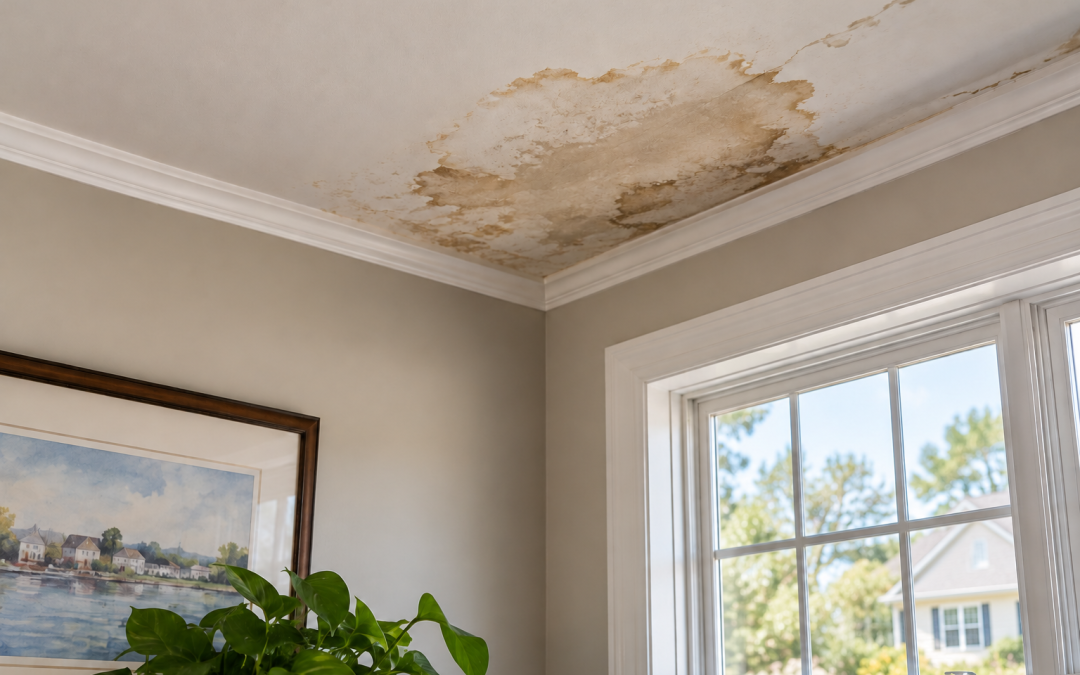
Finding mold or water damage in your home can quickly turn a planned sale into a much bigger question: Do you need to fix everything before putting the house on the market, or can you sell the property in its current condition?
The good news is that mold or water damage does not automatically make a house impossible to sell. Homeowners generally have several options, ranging from making repairs before listing to selling the property as-is.
The right approach depends on the source and extent of the damage, how much you are willing to spend on repairs, your timeline, and what you expect to receive from the sale.
For homeowners in Hampton Roads, moisture problems can be particularly frustrating. Humidity, heavy rainfall, tropical weather, plumbing leaks, crawlspace moisture, roof problems, and flooding can all contribute to water getting where it should not be.
If you are dealing with one of these situations, understanding your options can help you decide what makes the most sense before spending thousands of dollars on repairs.
Where Does Mold or Water Damage Come From?
Sometimes water damage is obvious. A pipe bursts, a storm damages the roof, or flooding brings water into the house.
Other problems develop much more slowly.
Common sources can include:
- Roof leaks
- Leaking pipes or plumbing fixtures
- Failed water heaters
- HVAC condensation problems
- Crawlspace moisture
- Poor drainage around the foundation
- Water entering around windows or doors
- Storm or wind damage
- Flooding
- Long-term humidity
- A home being left vacant without adequate climate control
One of the challenges is that the visible damage may not tell you the entire story. A stain on a ceiling could come from a relatively small roof leak, while moisture behind drywall or underneath flooring may be more difficult to identify.
Similarly, mold that appears in one area may indicate an underlying moisture problem that needs to be addressed before it stops returning.
Hampton Roads Homes Face Plenty of Moisture
Living in Coastal Virginia means dealing with humidity and severe weather that homeowners in some other parts of the country may encounter less frequently.
A roof leak following a storm may allow water into an attic. A damp crawlspace may create ongoing moisture problems underneath the house. Heavy rainfall can expose drainage issues that were not noticeable during dry weather.
The Virginia Department of Health notes that mold can begin growing after an area has remained wet for about 24 hours, which is one reason leaks, flooding, and other sources of water intrusion should be addressed as quickly as possible.
Problems may also become worse when a house sits unoccupied. In a vacant Hampton Roads home, an unnoticed roof or plumbing leak can continue for days or weeks when nobody is there to see it, while reduced air conditioning or a malfunctioning HVAC system can allow indoor humidity to increase.
By the time someone notices the problem, a relatively small repair may have become much more extensive.
Do You Have to Fix Mold Before Selling Your House?
Not necessarily.
A homeowner may decide to repair the source of the moisture, remove damaged materials, address mold, and restore the home before listing it traditionally. In some cases, that may help the property appeal to more buyers and potentially command a higher sale price.
But repairs are not always the best option for every seller.
Before deciding, consider questions such as:
- How extensive is the damage?
- Has the source of the water been identified?
- What will professional repairs cost?
- Are additional problems likely to be discovered once work begins?
- How much cash do you have available for repairs?
- How quickly do you need to sell?
- Will repairing the property increase the expected sale price enough to justify the cost and work?
If the problem is relatively minor, making repairs may be straightforward.
When water damage involves roofing, structural components, flooring, drywall, electrical systems, plumbing, HVAC equipment, or widespread mold remediation, however, the cost can increase quickly. Homeowners who are already facing several expensive projects may decide that selling a house that needs major repairs makes more sense than completing every repair first.
Mold and Water Damage Can Complicate a Traditional Sale
You can list a house with water damage, but unresolved problems may affect the traditional selling process.
Buyers may notice staining, odors, damaged flooring, deteriorated drywall, or visible mold while touring the property. Even when a buyer remains interested, a home inspection may identify additional concerns.
That can lead to requests for:
- Mold evaluation or remediation
- Roof repairs
- Plumbing repairs
- Crawlspace work
- Replacement of damaged drywall or flooring
- Moisture-control improvements
- Additional inspections by specialists
Depending on the property and the buyer’s financing, some issues may also create concerns during appraisal or lending.
That does not mean the house cannot be sold. It simply means significant property-condition issues can add another layer of uncertainty to a financed transaction. If water damage is only one of several defects, the property may also fall into the broader category of a house that may have difficulty passing inspection.
What About Virginia Property Disclosures?
Virginia generally places significant responsibility on buyers to investigate a property’s condition before purchasing it. The Virginia Real Estate Board’s current Residential Property Disclosure Statement advises purchasers to conduct whatever due diligence they consider necessary, including obtaining a home inspection and, when appropriate, a mold assessment.
That does not mean homeowners should assume an as-is sale eliminates every disclosure or legal responsibility. Virginia also has affirmative written disclosure requirements for certain properties and circumstances, so sellers with questions about a particular transaction should speak with a Virginia real estate professional or attorney.
For most homeowners, the important point is simpler: selling a house as-is generally means the seller is not agreeing to complete repairs simply to prepare the property for sale. The buyer is evaluating the home based on its existing condition.
What About Crawlspace or Foundation Moisture?
Not every moisture problem begins inside the living space.
Crawlspaces are another area where homeowners may discover moisture, standing water, damaged insulation, wood deterioration, or other problems.
In some cases, drainage or moisture issues may also exist alongside foundation concerns. Cracks, settlement, standing water, or deterioration in the crawlspace can raise questions that go beyond surface-level mold, particularly when the property may also have foundation problems.
If structural issues may be involved, it can be helpful to determine what is actually happening before assuming the worst or committing to a large repair project.
Should You Repair the Damage Before Selling?
There is no single answer that works for every property.
Repair and List the Home
Making repairs before listing may make sense when the cost is manageable and the home is otherwise in good condition.
The potential advantages include:
- Presenting a more attractive home to traditional buyers
- Reducing concerns during inspections
- Potentially increasing the home’s market value
- Giving more buyers the ability to consider the property
The tradeoff is that the homeowner assumes the cost and risk of the repair process.
Contractors may discover additional damage after opening walls, removing flooring, entering the crawlspace, or beginning remediation. Projects can also take longer or cost more than originally expected.
Make Only the Most Important Repairs
Another option is to address the source of the water problem without completely renovating every affected area.
For example, a homeowner might repair a roof or plumbing leak but leave cosmetic restoration for the next owner.
Whether that approach makes sense depends on the home, the buyer, and how the property will be marketed.
Sell the House As-Is
For some homeowners, spending significant money on the property before selling does not make financial or practical sense.
An as-is sale may be worth considering when:
- The damage is extensive
- The house has several additional repair needs
- You inherited the property
- The house has been vacant
- You live outside the area
- You cannot afford major repairs
- You need to sell relatively quickly
- You simply do not want to manage a large renovation project
Selling as-is generally means accepting that the property’s condition will be reflected in the offer rather than investing money into repairing it first.
Repair and List or Sell As-Is to a Cash Buyer?
Both approaches can make sense. The better fit depends on the condition of the house, the seller’s financial situation, and how much time and work they want to invest before closing.
| Consideration | Repair & Traditional Listing | Sell As-Is to a Cash Buyer |
|---|---|---|
| Repairs | Seller may choose to address problems before listing or during the transaction | Buyer may purchase the property in its current condition without requiring the seller to complete repairs first |
| Upfront Cost | May include repairs, cleaning, preparation, or improvements | Often reduces or eliminates the need for pre-sale repair spending |
| Showings | Typically involves preparing the home and allowing prospective buyers to tour it | A direct sale may involve fewer property visits and no traditional listing process |
| Financing | Buyer financing, appraisal, and inspection may affect the transaction | A true cash purchase does not depend on buyer mortgage approval |
| Timeline | Depends on repairs, market conditions, buyer interest, financing, and closing | Can sometimes involve a simpler or more flexible timeline because mortgage financing is not involved |
| Sale Price | A repaired home exposed to the broader market may achieve a higher sale price | The offer typically reflects the home’s current condition and the cost and risk the buyer is taking on |
| Seller Effort | May require coordinating repairs, cleaning, showings, inspections, and negotiations | Can reduce the amount of preparation and repair management required before selling |
| Best Fit | Sellers willing to invest additional time or money into preparing the property | Sellers who place greater value on convenience, avoiding repairs, or simplifying the sale |
The goal is not simply to determine which option produces the highest headline sale price. Homeowners should also consider repair costs, time, carrying expenses, uncertainty, and the amount of work required to get from the property’s current condition to closing.
What If the Water-Damaged House Was Inherited?
An inherited property can make the decision more complicated.
The house may have been vacant for some time before the heirs were able to inspect it. Family members may live in another state. There may also be deferred maintenance that existed before the current water problem occurred.
If several heirs are involved, everyone may also have different opinions about how much money should be invested in the property before selling it.
These questions often overlap with the broader issues involved in selling an inherited house in Virginia, including probate, multiple heirs, property condition, cleanout decisions, liens, and determining who has authority to make decisions for the estate.
Before making major repairs or entering into a sale, make sure the person handling the property has the appropriate authority to do so.
How Do You Decide Whether Repairs Are Worth It?
Try looking beyond the repair estimate alone.
Suppose repairing the home would cost $30,000. The real question is not simply whether you have $30,000 available.
You also need to consider:
- How much the repairs are likely to increase the eventual sale price
- How long the work will take
- Mortgage payments while you wait
- Property taxes
- Insurance
- Utilities
- Lawn and property maintenance
- Contractor uncertainty
- The possibility of discovering additional damage
- Real estate commissions and selling expenses
- Your own time managing the process
In some situations, making the repairs and pursuing a traditional listing may produce the best financial result.
In others, the difference in expected net proceeds may not be large enough to justify months of work, expense, and uncertainty.
The goal should be to compare realistic outcomes rather than simply comparing the highest possible traditional sale price with an as-is offer.
Cash Buyer or Traditional Listing?
Homeowners sometimes assume that one selling method is automatically better than the other.
In reality, they solve different problems.
A traditional listing may be appropriate when a homeowner has the time and resources to prepare the property and wants to pursue the broadest possible buyer market.
Selling directly to a cash buyer can be useful when the homeowner places greater value on avoiding repairs, showings, financing contingencies, or a lengthy preparation process.
There is usually a tradeoff. Convenience, speed, and transferring repair responsibility to the buyer can result in a lower sale price than a fully repaired property might achieve on the traditional market.
For that reason, homeowners deciding between a cash buyer and a traditional real estate listing should compare expected net proceeds, repair costs, timeline, and the amount of work involved rather than focusing only on the initial offer price.
You Have Options Even If the House Needs Work
Discovering mold or water damage can be discouraging, but it does not mean you have to complete a major renovation before you can sell your house.
Some homeowners will make the repairs and list traditionally. Others may fix only the most important problems. And some will decide that selling the property in its existing condition makes more sense.
The right choice depends on the amount of damage, your financial situation, your timeline, and how much time and effort you want to put into the property.
If you decide that repairing the home is not practical, Sold on Sight purchases houses throughout Hampton Roads in their current condition. As a locally owned Hampton Roads home buyer, we can look at the property, explain how the process works, and make a cash offer without requiring you to complete repairs or prepare the house for traditional showings.
Want to know what your house might be worth without making the repairs first? Call Sold on Sight at 757-460-1111 or contact us online to request a free, no-obligation cash offer.
You can compare that option with the estimated cost, timeline, and work involved in repairing and listing the property before deciding which approach makes the most sense for you.