
You are getting ready to sell your house when a question comes up about a renovation. Maybe a previous owner converted the garage into a bedroom, added a bathroom, or enclosed a porch. The space has been there for years, but you cannot find paperwork showing that the work was permitted.
Does that mean you cannot sell?
Unpermitted work does not automatically make a house impossible to sell in Virginia. It can, however, create questions about safety, property value, financing, and what needs to happen before closing.
Before spending money on repairs or assuming the entire project must be redone, it helps to understand what records exist, whether permits were required, and what your options may be.
What Counts as Unpermitted Work?
Unpermitted work generally means construction or alterations completed without a permit that was required for the project.
Depending on the scope, that could involve:
- Adding a room or expanding the house.
- Converting a garage into living space.
- Finishing an attic or basement.
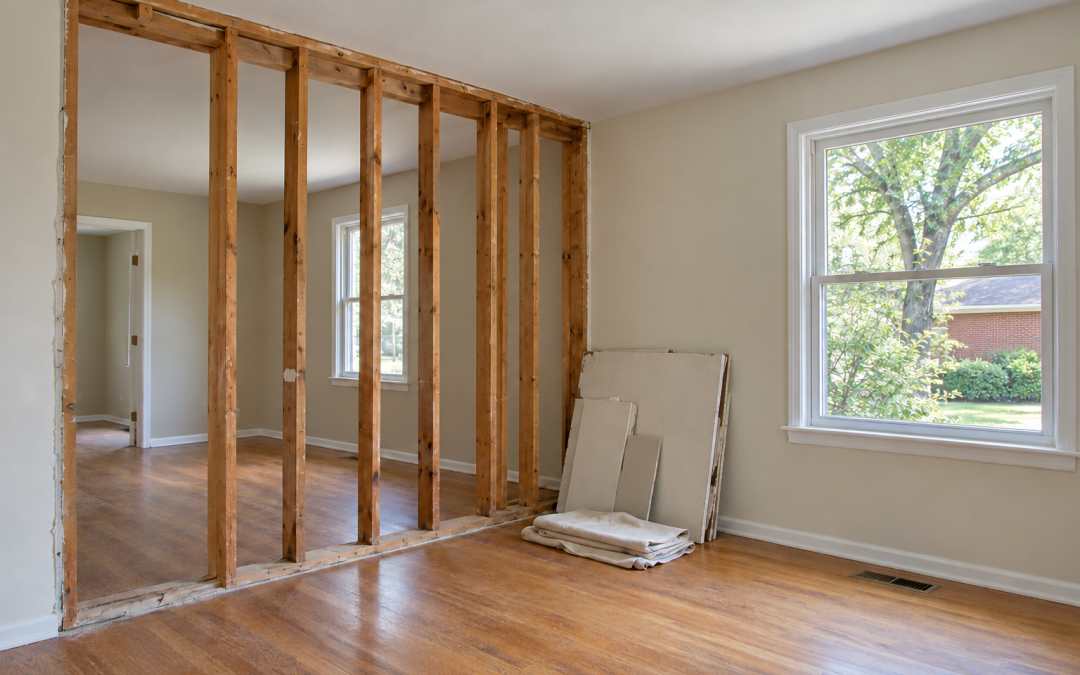
- Removing or altering a structural wall.
- Adding a bathroom or relocating plumbing.
- Making certain electrical or mechanical changes.
Not every home improvement requires a permit. Painting a room and adding a bathroom are very different projects, so an updated space should not automatically be treated as unpermitted construction.
It also helps to distinguish between several situations: a permit was never required, the paperwork is missing, a permit was issued but the inspection process was not completed, or work was performed without required approval.
Those situations may call for different next steps.
Virginia has a Uniform Statewide Building Code, with enforcement handled by local building departments. The building department where the property is located is the appropriate starting point for questions about a particular project.
How Do You Find Out Whether the Work Was Permitted?
Start with the information you already have.
Purchase documents, contractor invoices, renovation plans, inspection reports, and correspondence from previous owners may help establish what was done and when.
Next, contact the local building department to ask about available permit records. Useful questions include:
- Was a permit issued for the project?
- What work did the permit cover?
- Were the required inspections completed?
- Is the permit still open?
- Are there any outstanding notices or violations associated with the work?
A contractor’s invoice or a room appearing in property tax records does not, by itself, establish that the permit and inspection process was completed.
Missing records can be especially confusing when you are selling an inherited house in Virginia and were not involved in the renovations. You may know that a bathroom or addition has existed for decades without knowing who built it or what approvals were obtained.
The goal is to establish the facts before deciding what the property needs.
How Can Unpermitted Work Affect a Home Sale?
The impact depends on the work, its condition, the buyer, and the details of the transaction.
A buyer may be comfortable investigating a relatively limited issue. An addition involving uncertain structural work, wiring, or plumbing may raise more substantial concerns.
Buyers May Request More Information
A buyer may want permit records, contractor evaluations, or an explanation of what would be required to address the issue.
Even if the space looks finished, the buyer may be concerned about work hidden behind walls or underneath flooring.
Inspections May Raise Additional Questions
A home inspection can identify visible condition concerns, but it does not replace the local permit and approval process.
If the renovation also involves unsafe wiring, structural defects, or other problems, you may face some of the same challenges involved in selling a house that won’t pass inspection.
Financing and Valuation May Become More Complicated
Depending on the circumstances, questions about an addition or converted space may affect the appraisal, the lender’s requirements, or how the property is described and valued.
That does not mean every financed buyer will be unable to purchase the house. It does mean sellers should avoid assuming that every buyer or lender will treat the issue the same way.
What Do Virginia Sellers Need to Know About Disclosures?
Virginia places substantial responsibility on buyers to investigate a property’s condition. That should not be interpreted as permission to hide problems or assume that an as-is sale removes every seller obligation.
The distinction between missing permit records and a formal violation matters.
Under Virginia Code § 55.1-706, certain known pending building-code enforcement actions involving living conditions, and certain unresolved zoning violations, require written disclosure. The law includes specific conditions concerning the action or violation and notices from the locality.
A missing permit record is not automatically the same thing as a pending enforcement action. Likewise, learning that a permit was never obtained does not answer every question about the seller’s legal responsibilities.
If you have received a notice from the city or county, have an unresolved violation, or are unsure how to describe the situation to a buyer, speak with a Virginia real estate attorney about your particular transaction.
An as-is agreement should not be treated as a substitute for required disclosures.
Do You Have to Get the Work Approved Before Selling?
There is no single answer that applies to every property. The next step depends on the work, the locality’s requirements, any active enforcement issues, and what the buyer will accept.
You may have several paths to investigate.
Ask About Approval After the Work Was Completed
Contact the local building department to find out whether there is a process for evaluating the existing work and what it would involve.
Depending on the project, the department may need documentation, inspections, or corrective work before approval can be considered. Do not assume that paying a permit fee will be enough to resolve the issue.
Determine Whether Corrections Are Needed
Some situations may require repairs, alterations, or removal of work that cannot remain as constructed.
Before committing to a large project, understand the required scope and get estimates from appropriately qualified professionals.
When correcting the permit issue could also involve substantial reconstruction, compare that expense with your options for selling a house that needs major repairs.
Explore Selling With the Issue Unresolved
Some buyers may consider purchasing a property with unresolved permit concerns, subject to their evaluation and the terms of the sale.
However, a buyer’s willingness to purchase does not approve the construction, cancel a violation, or eliminate applicable requirements. Any agreement needs to account for the property’s actual situation.
Should You Correct the Issue or Sell As-Is?
Start by understanding the problem well enough to compare realistic options.
Consider:
- Scope: Is this missing paperwork, an incomplete inspection process, or confirmed work without required permits?
- Safety: Are there concerns involving structure, wiring, plumbing, or the use of the space?
- Cost: What would investigation, professional evaluations, and corrections involve?
- Timing: How long might it take to resolve the issue?
- Sale outcome: How might addressing it affect buyer interest and your expected proceeds?
- Your resources: Do you have the money and time to manage the process?
Resolving a limited issue before listing may help a sale proceed more smoothly. A more complicated project may involve costs and uncertainty that the owner is not prepared to take on.
The choice between selling to a cash buyer and listing with an agent should account for those differences.
A traditional listing may provide access to a broader buyer market and potentially a higher sale price. A direct purchase may reduce some preparation and financing complications, but the offer will generally reflect the property’s condition and the buyer’s assessment of the work and risk involved.
Compare the amount you expect to keep after expenses, along with the time and effort required to reach closing.
Understand Your Options Before Committing to Major Work
Discovering a permit concern can be unsettling, especially when you are already preparing to move or managing a property you no longer want.
Start by gathering the records and identifying what needs attention. Missing paperwork, unpermitted construction, unsafe work, and an active violation are different situations. Understanding which one you are dealing with can help you make a more informed decision.
If your property is in Hampton Roads, Sold on Sight can discuss whether a direct purchase may be an option. Share what you know about the renovation, along with any available permits, inspection records, or notices, so we can better understand the situation.
Give us a call at (757) 460-1111, or contact Sold on Sight today to discuss your property and request a free, no-obligation cash offer.
You can compare that option with the estimated cost and time involved in addressing the work before deciding how to move forward.
Frequently Asked Questions About Selling a House With Unpermitted Work in Virginia
What If a Previous Owner Did the Unpermitted Work?
Start by checking local permit records rather than assuming the work was completed without approval. If required permits or inspections are missing, the issue may still affect your sale even though you did not perform the renovation. Your next steps will depend on the work, any outstanding notices, and the requirements that apply to the property.
Does an Old Addition Automatically Become Legal After Enough Time?
Do not assume that an addition is approved simply because it has existed for many years. The age of the work can matter when evaluating applicable requirements and enforcement options, but it does not substitute for permit or inspection records. Ask the local building department about the specific situation.
Can a Home Inspection Confirm That Work Was Permitted?
A home inspection may identify visible defects or raise questions about previous renovations, but it does not establish whether permits were obtained or required inspections were completed. Confirm the permit history with the local building department; a satisfactory home inspection is not the same as official approval of the work.
Does Selling a House As-Is Resolve Permit Problems?
No. An as-is agreement generally addresses the condition in which the buyer accepts the property and the repairs the seller agrees to make. It does not approve unpermitted construction, cancel an outstanding violation, or eliminate applicable disclosure requirements.
Do Permit Procedures Differ Between Virginia Cities and Counties?
Yes. Virginia has a statewide building code, but local building departments handle permits and inspections. Depending on the property, resolving unpermitted work may also involve zoning requirements, historic-district approvals, floodplain rules, or environmental protections. Ask the city or county where the house is located which approvals are needed and whether additional fees apply to work completed before approval.